How to Choose the Right Semi Trailer for Your Transport Business
Choosing the right semi trailer is an important decision for transport companies, fleet operators and logistics businesses. A suitable trailer can improve loading efficiency, reduce maintenance costs and make daily transportation more reliable.
However, there is no single semi trailer configuration that is suitable for every business. The best choice depends on what you transport, how much weight you carry, road conditions and local regulations.
Start With the Cargo Type
The first step is to understand what kind of cargo the trailer will carry.
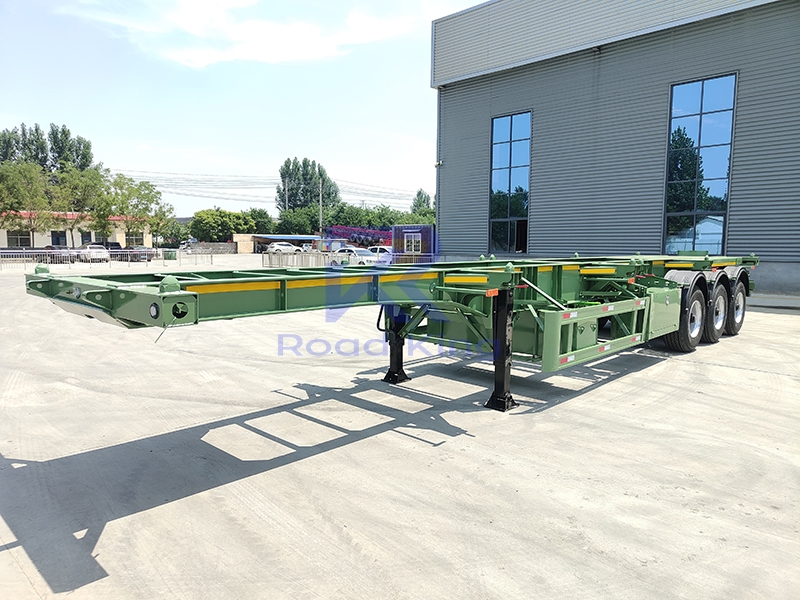
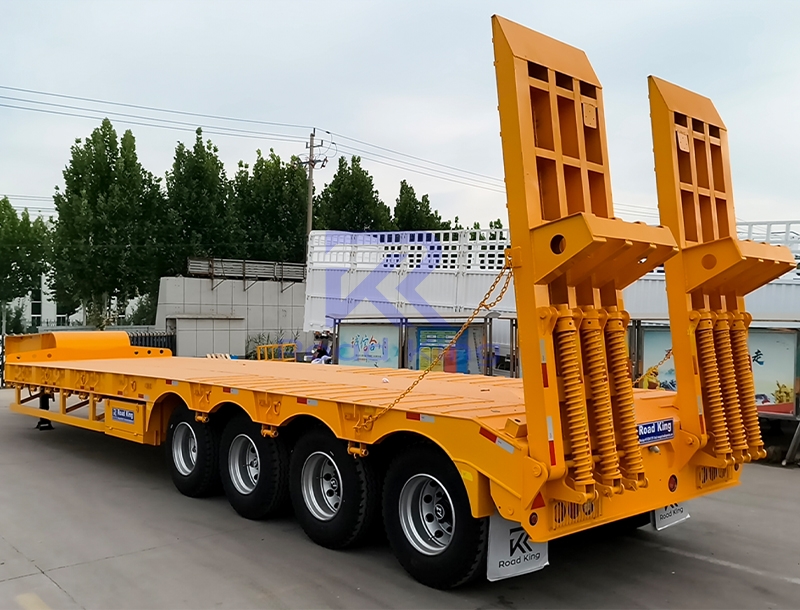
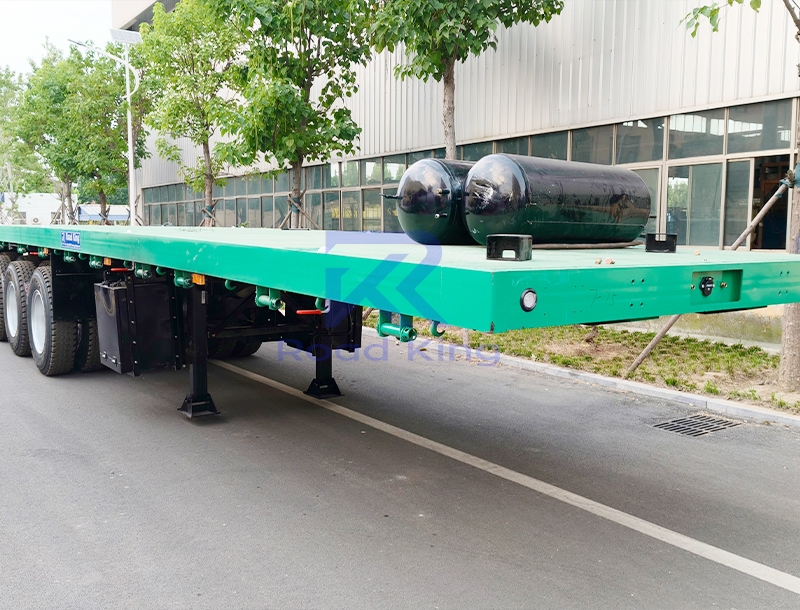
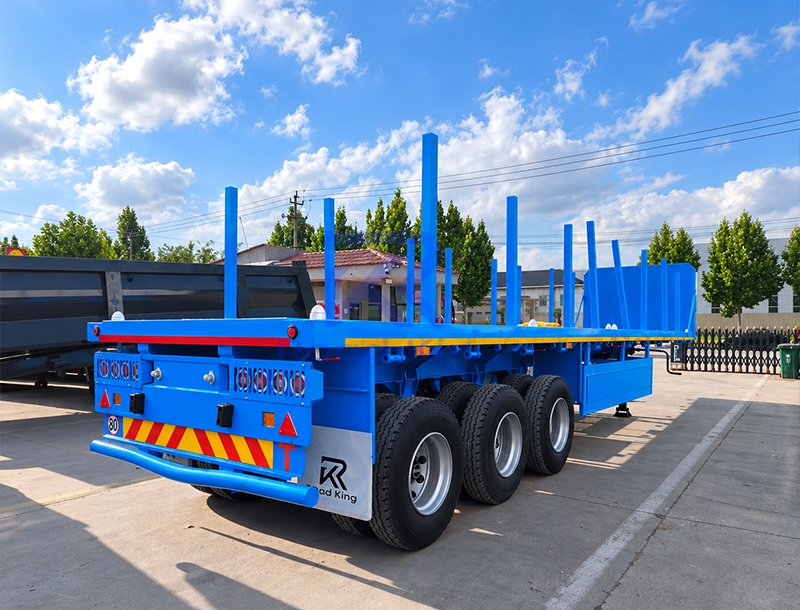
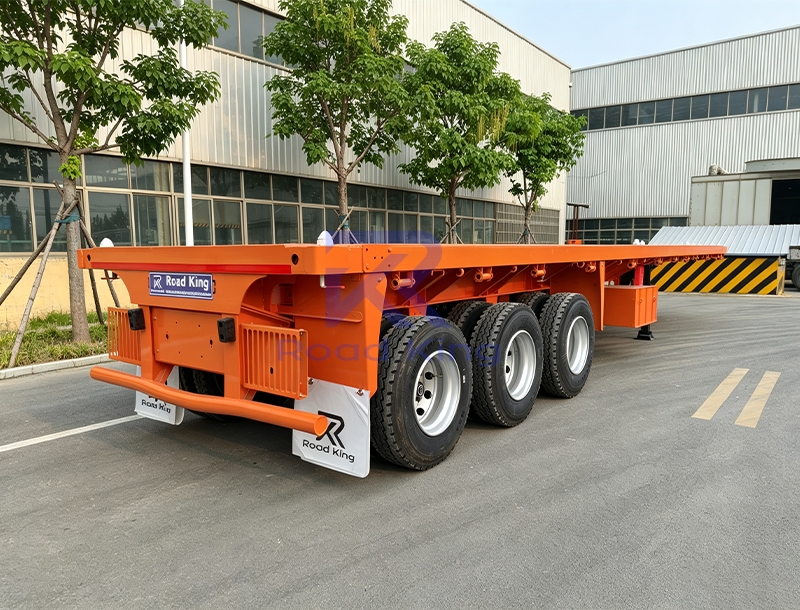
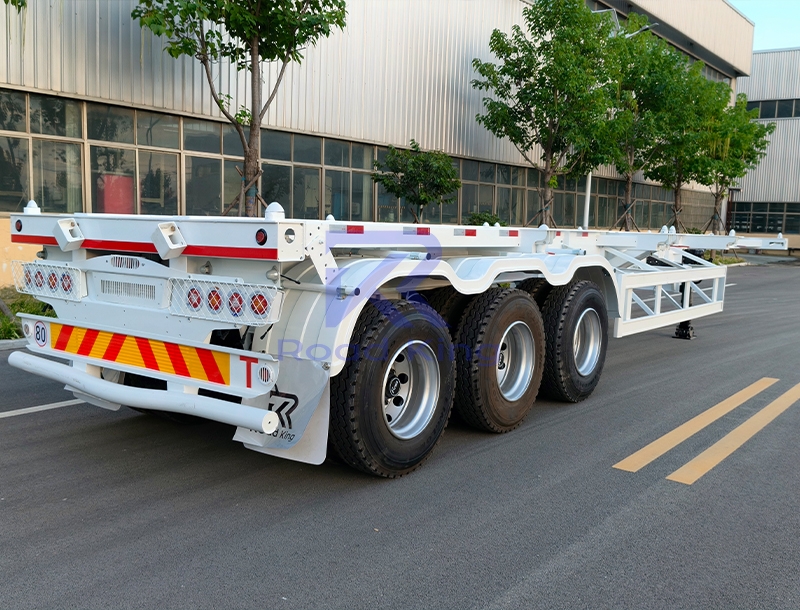
Different cargo requires different trailer structures. For example, flatbed semi trailers are widely used for containers, steel, machinery and general cargo. Lowbed semi trailers are more suitable for excavators, bulldozers and other heavy equipment because of their lower loading platform.
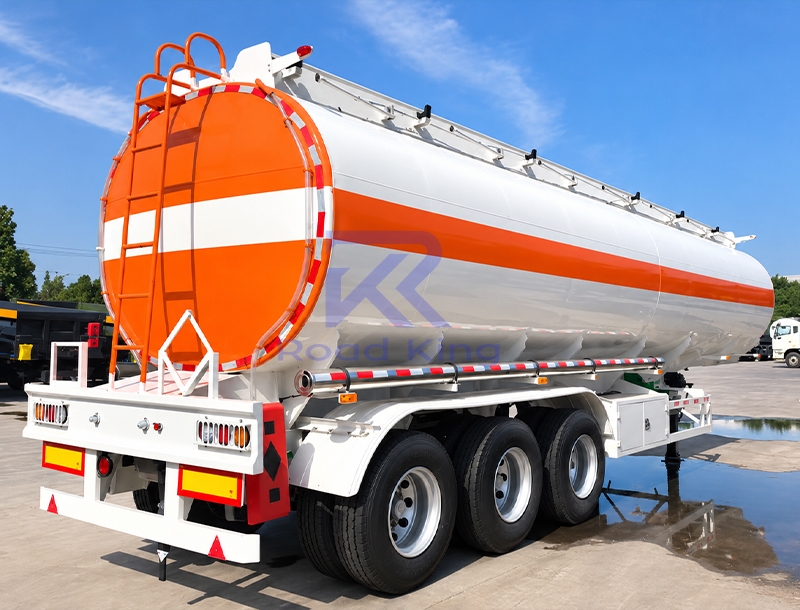
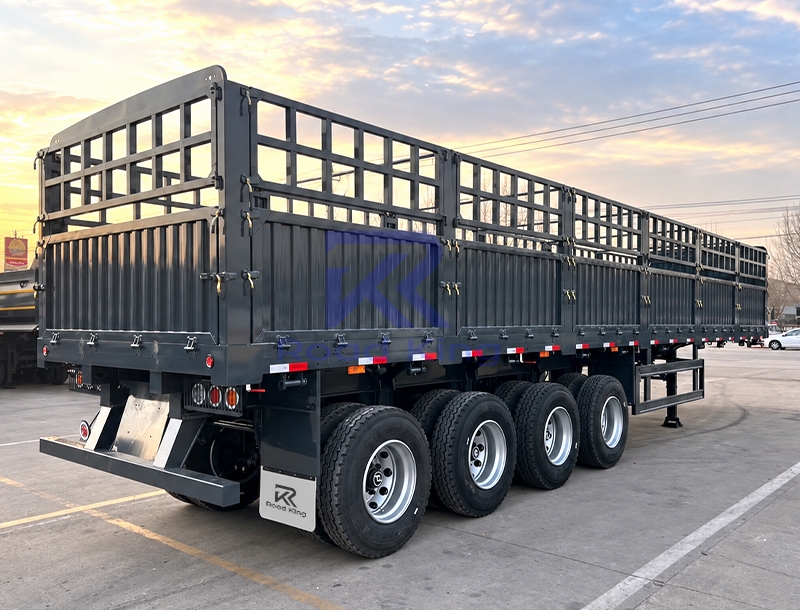
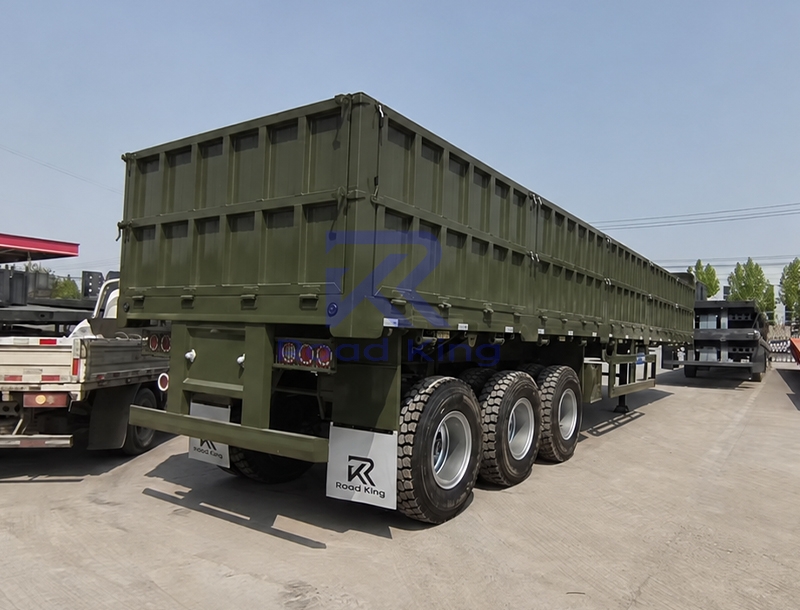
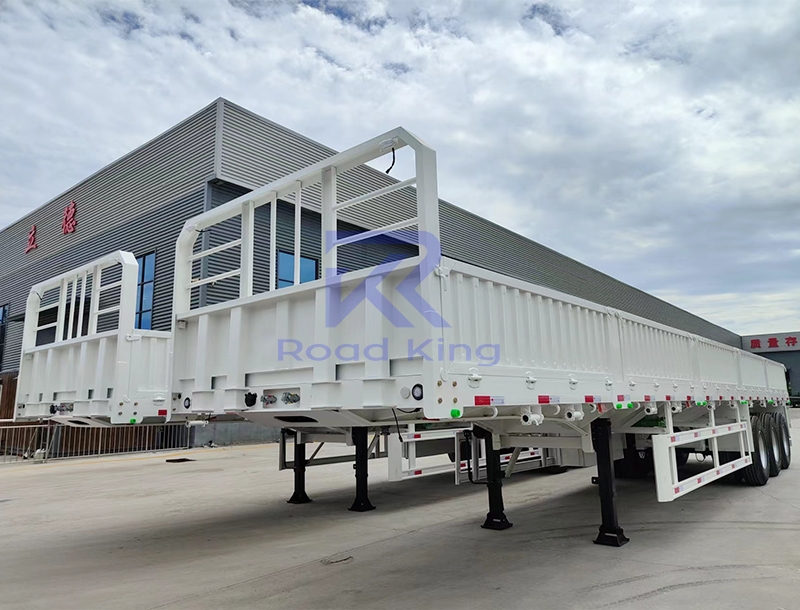
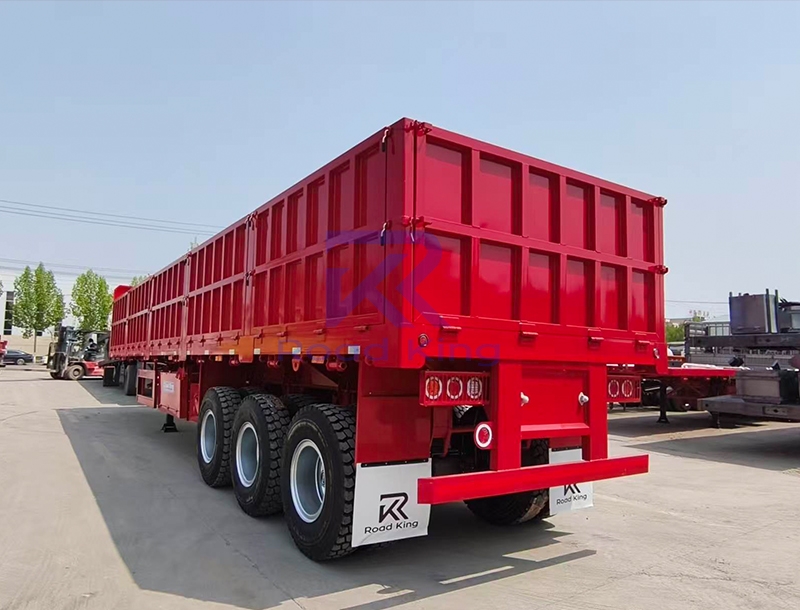
For fuel transportation, a tanker semi trailer is required, while grain and agricultural products are often transported with side wall or fence semi trailers.
This means trailer selection should always start with the cargo rather than the trailer price.
Pay Attention to the Required Payload
Payload is another important factor.
A trailer designed for lighter cargo does not need the same frame, axle and suspension configuration as a trailer used for heavy equipment or mining materials.
For standard road freight, a 3-axle semi trailer is common in many markets. For heavier cargo, some buyers may consider 4-axle or multi-axle configurations.
However, more axles do not always mean a higher legal payload.
The legal carrying capacity depends on local axle-load and gross vehicle weight regulations, so buyers should confirm these limits before choosing a configuration.
Road Conditions Matter More Than Many Buyers Expect
Road conditions can have a major impact on trailer performance and service life.
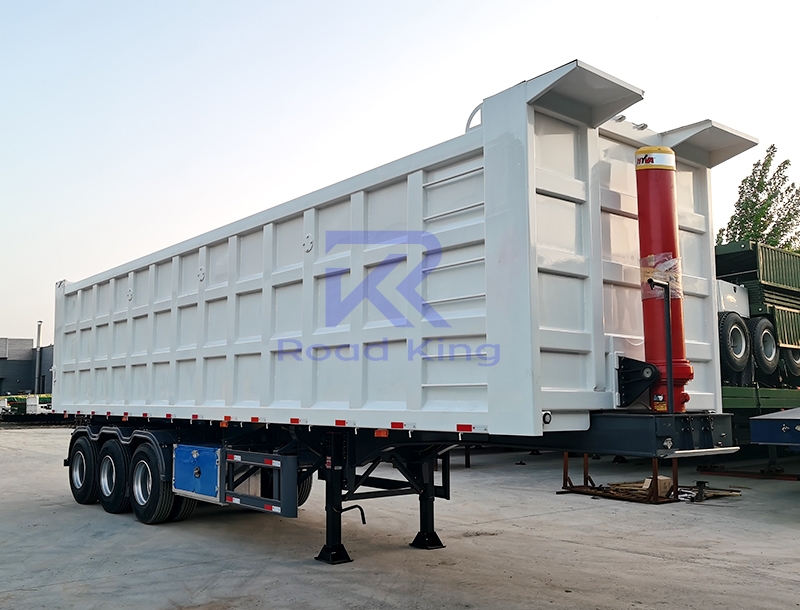
A trailer operating mainly on highways has very different requirements from one used on mining roads, construction sites or unpaved rural roads.
For rough road conditions, buyers often need to pay more attention to frame reinforcement, suspension durability, ground clearance and tire selection.
Mechanical suspension is widely used in heavy-duty applications because of its simple structure and relatively easy maintenance.
For highway transport, air suspension may be considered when better ride comfort and load distribution are required.
Choose the Right Trailer Structure
The trailer frame is one of the most important parts of a semi trailer.
The main beam carries much of the load during transportation, so material selection, beam design, welding quality and reinforcement structure all affect durability.
Some buyers focus only on steel thickness, but thicker steel does not automatically mean a better trailer.
A well-designed trailer should balance strength and tare weight.
If the trailer becomes unnecessarily heavy, it may reduce available payload and increase fuel consumption.
Consider Maintenance Before Buying
Maintenance is often overlooked when buying a new semi trailer.
For international buyers, it is especially important to consider whether replacement parts are easy to find locally.
Axles, brake parts, suspension components, tires, lamps, seals and valves are all parts that may need replacement during long-term operation.
Using commonly available components can make maintenance easier and reduce vehicle downtime.
For fleet operators, this can be just as important as the initial purchase price.
Should You Choose a 3-Axle or 4-Axle Semi Trailer?
This is one of the most common questions from semi trailer buyers.
A 3-axle semi trailer is widely used for standard cargo transportation because it offers a good balance between loading capacity, maneuverability and operating cost.
A 4-axle semi trailer may be more suitable for heavier cargo or markets where additional axle load distribution is required.
The correct choice depends on the actual cargo weight, road conditions, tractor configuration and local regulations.
Instead of choosing more axles automatically, buyers should select an axle configuration based on real operating conditions.
Customization Should Match Real Transport Needs
Semi trailers can usually be customized, but customization should have a clear purpose.
For example, a fleet operating in rough-road areas may need reinforced suspension and a stronger frame, while a container transport company may focus more on twist locks, trailer dimensions and tare weight.
A lowbed trailer buyer may care more about loading platform height and ramp design.
Customization is most useful when it solves a real transport problem rather than simply adding more equipment.
Do Not Ignore Local Regulations
Before importing or purchasing a semi trailer, buyers should always check local regulations.
Different countries may have different requirements for overall dimensions, axle load, gross vehicle weight, braking systems, lighting and safety equipment.
This is especially important for heavy-duty trailers and fuel tanker semi trailers.
The structural capacity of a trailer and the legal payload are not always the same.
A trailer may be technically capable of carrying a certain weight, but local laws may allow a lower maximum operating weight.
Price Is Important, but It Should Not Be the Only Factor
Price is naturally an important part of any trailer purchase.
However, choosing the lowest-priced trailer without considering structure, components, spare parts and operating conditions can lead to higher costs later.
A trailer with a suitable specification may reduce maintenance frequency, improve loading efficiency and remain in service longer.
For fleet buyers, the total operating cost over several years is often more important than the initial purchase price alone.
Questions to Ask Before Ordering a Semi Trailer
Before confirming an order, buyers should clearly communicate their transport requirements to the trailer manufacturer.
Important information includes cargo type, expected payload, operating roads, destination country and tractor specifications.
The more accurate this information is, the easier it is for the manufacturer to recommend a suitable trailer configuration.
Buyers should also confirm important technical details before production, especially axle specifications, suspension type, tires, dimensions and braking system.
Conclusion
Choosing the right semi trailer is not simply a question of selecting a trailer type.
Cargo, payload, road conditions, frame structure, axle configuration, maintenance requirements and local regulations should all be considered together.
For transport companies and fleet operators, a properly configured semi trailer can improve efficiency, reduce unnecessary maintenance and provide more reliable long-term performance.
The best semi trailer is not necessarily the biggest or most expensive model. It is the one that matches the actual transport requirements.