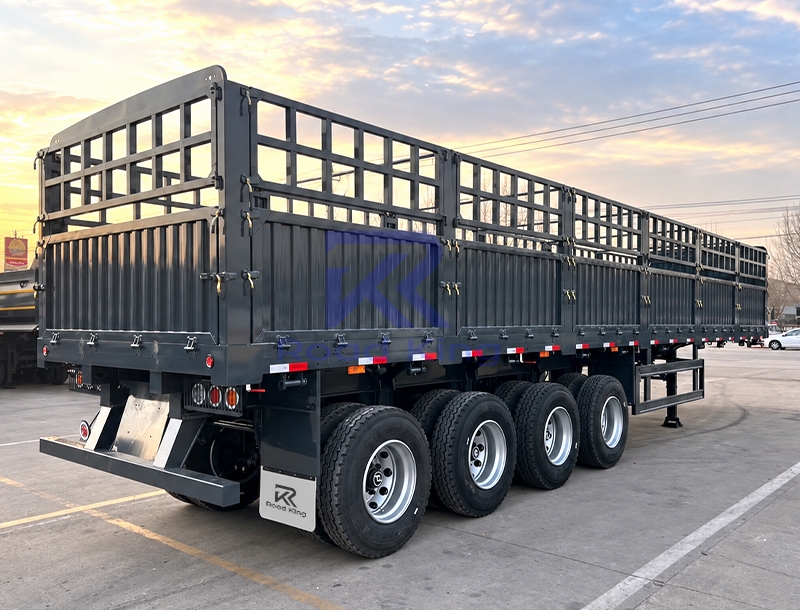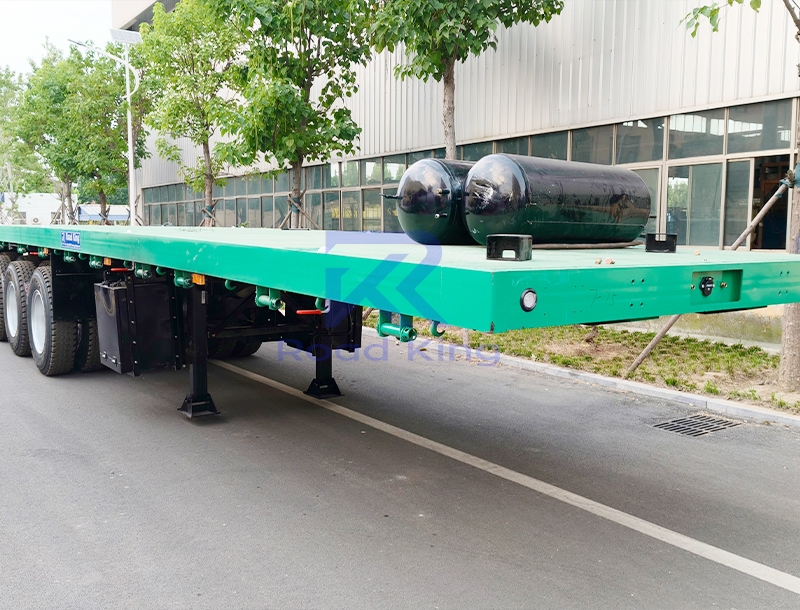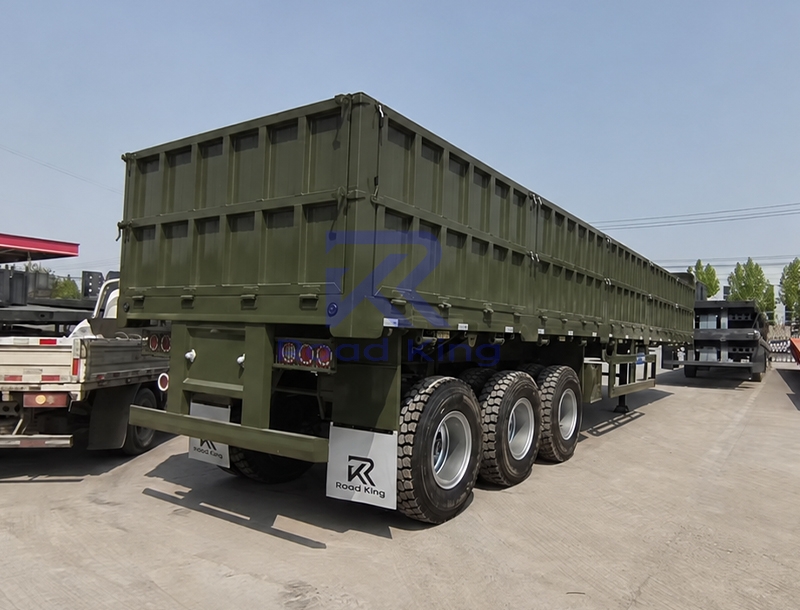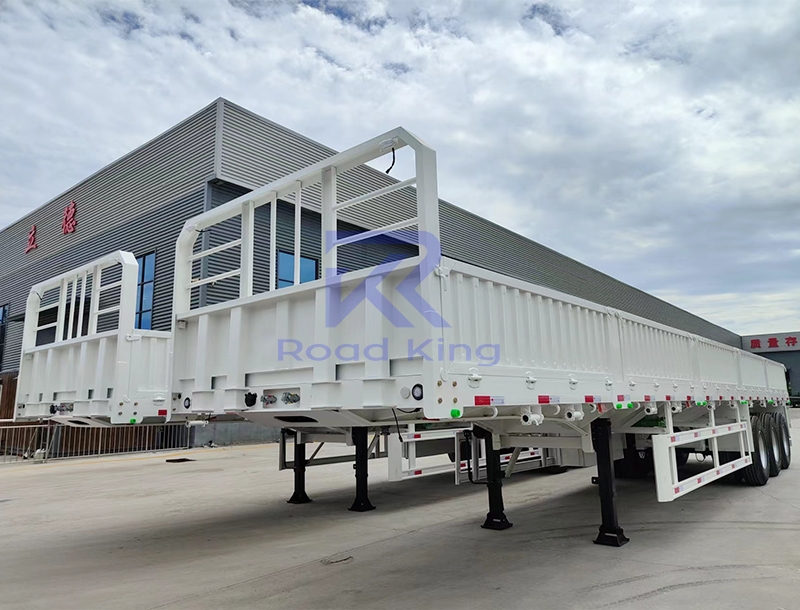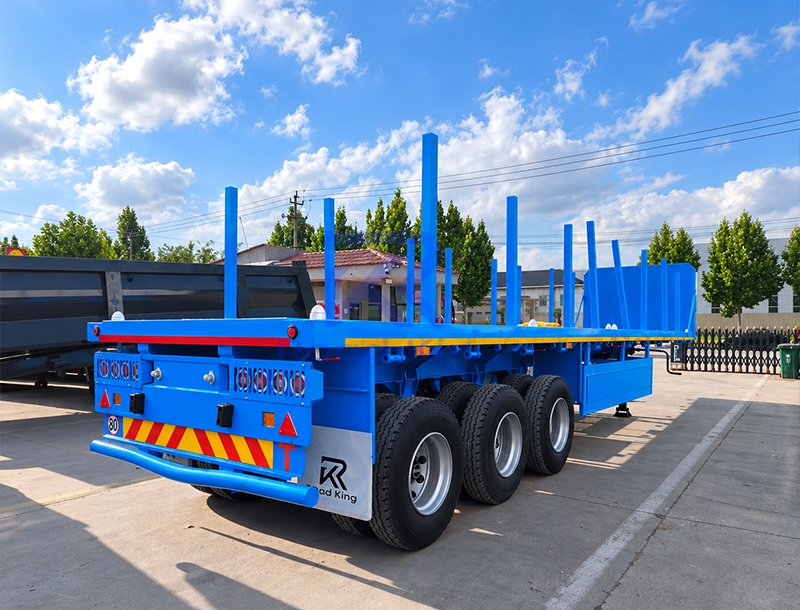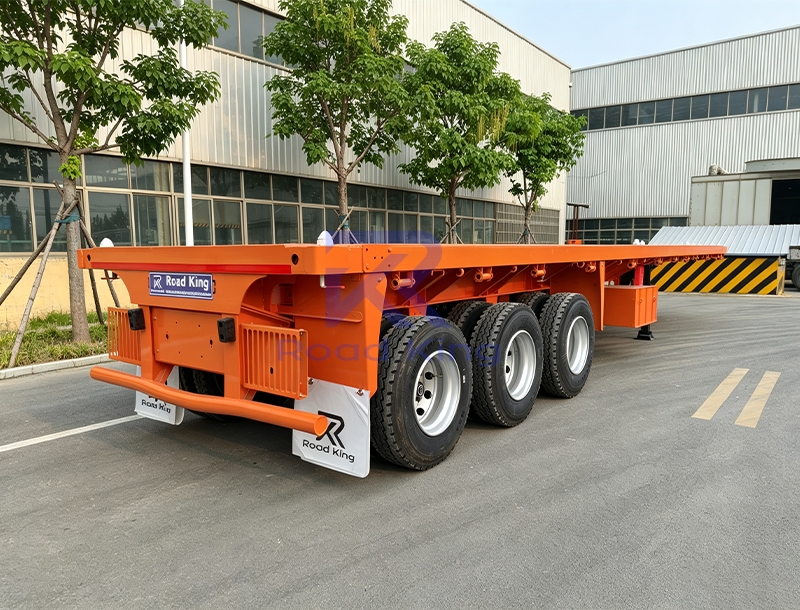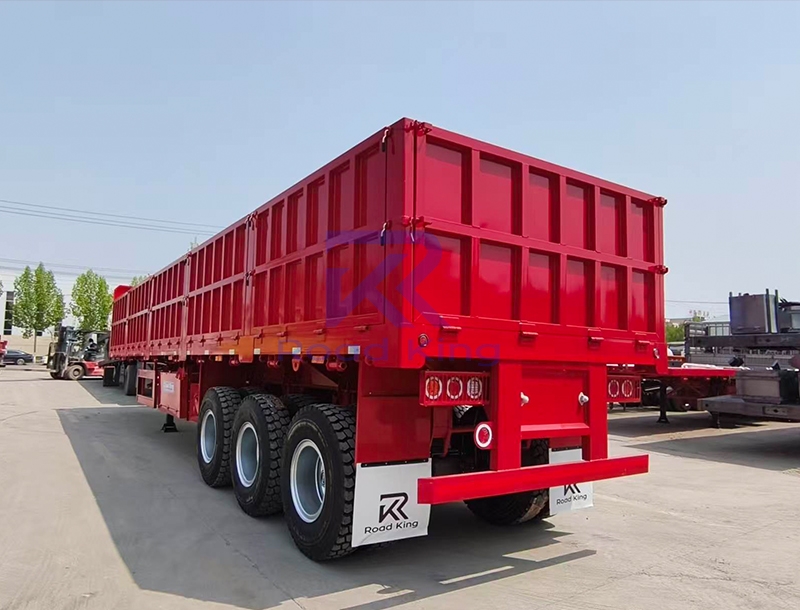
Philippine Client Orders 40FT 3-Axle Skeleton Container Chassis Semi Trailers
Sep. 30, 2026
Project Background
Container transportation plays an important role in the Philippines' logistics industry. Shipping ports, container yards, warehouses, and distribution centers rely on road transport to move imported and exported goods efficiently.
This project case focuses on a logistics company operating in the Philippine port transportation sector. Its primary business involves moving shipping containers between port terminals, container depots, and nearby logistics facilities.
To support these operations, the project features a ROADKING 40FT 3 axle skeletal semi trailer, designed specifically for standard container transportation.
Unlike a general-purpose flatbed trailer, a skeletal semi trailer uses a dedicated steel chassis with container locking points, making it a practical choice for logistics operators handling containerized cargo on a regular basis.
Customer Transportation Requirements
Frequent Container Pickup and Delivery
Port logistics involves repeated container loading, pickup, transportation, and delivery.
The operator requires trailers suitable for transporting 40FT shipping containers between terminals and logistics facilities, with a structure that supports frequent handling operations.
The trailer must also be compatible with standard container lifting and securing procedures.
Secure Container Transportation
During transportation, shipping containers must remain properly positioned and secured to the chassis.
Accurate twist lock positioning and a suitable supporting structure are essential, especially when vehicles operate on busy port roads or travel between container yards and warehouses.
Durable Construction and Convenient Maintenance
Port transportation equipment often operates through repeated daily loading cycles.
The customer therefore prioritizes a strong chassis, reliable axle and suspension components, and a practical structure that allows routine inspection and maintenance.
These requirements formed the basis of the ROADKING trailer configuration.
ROADKING Solution: 40FT 3 Axle Skeletal Semi Trailer
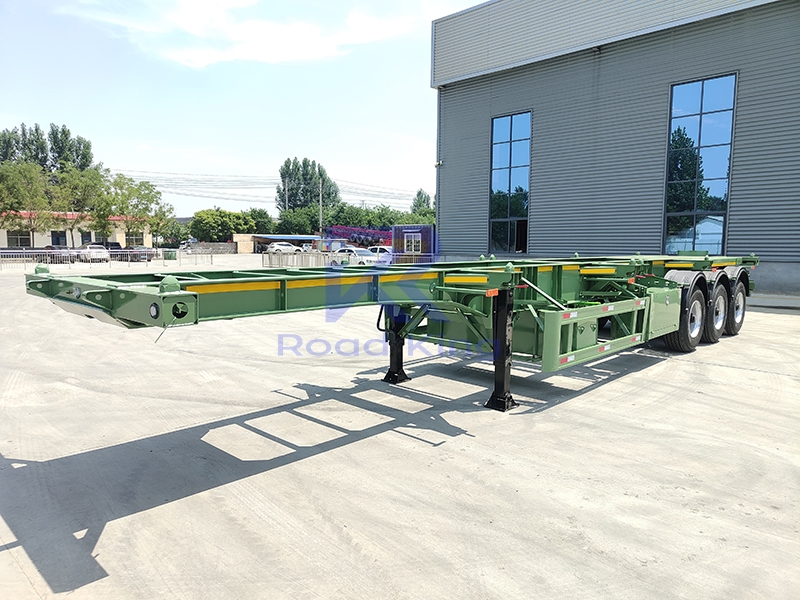
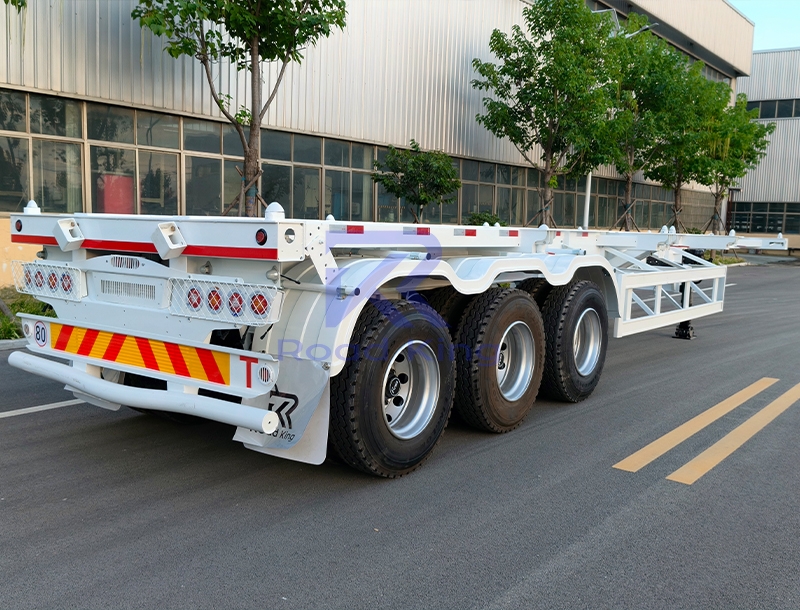
ROADKING's solution is a red 40FT 3 axle skeletal semi trailer configured for dedicated container hauling.
The trailer features a reinforced steel chassis, container twist lock positions, three rear axles, mechanical suspension, and landing gear.
Its open-frame design eliminates the need for a continuous flatbed floor while retaining the supporting structure required for container transportation.
Key Project Specifications
| Specification | Details |
|---|---|
| Product | Skeletal Semi Trailer |
| Trailer Type | 40FT Container Chassis |
| Axle Configuration | 3 Axles |
| Chassis Structure | Reinforced Steel Frame |
| Container Securing | Twist Locks |
| Suspension | Mechanical Suspension |
| Landing Gear | Mechanical Landing Gear |
| Exterior Color | Red |
| Main Application | Port Container Transportation |
| Intended Destination | Philippines |
Reinforced Chassis for Container Support
The chassis is the main load-bearing structure of the skeletal semi trailer.
ROADKING uses longitudinal steel beams and supporting crossmembers to form a rigid frame capable of carrying container loads within the trailer's rated capacity.
The reinforced structure is designed to withstand the forces generated during container loading, road transportation, braking, and turning.
For logistics operators handling containers regularly, chassis strength and structural consistency are important factors in long-term trailer performance.
Twist Locks for Secure Container Handling
Container twist locks are among the most important components of a skeletal trailer.
They secure the container to the chassis and help prevent unwanted movement during transportation.
For 40FT container operations, the locking positions must correspond to the container's standardized corner fittings.
Before each journey, operators should verify that the container is correctly positioned and all required twist locks are properly engaged.
Three-Axle Configuration and Mechanical Suspension
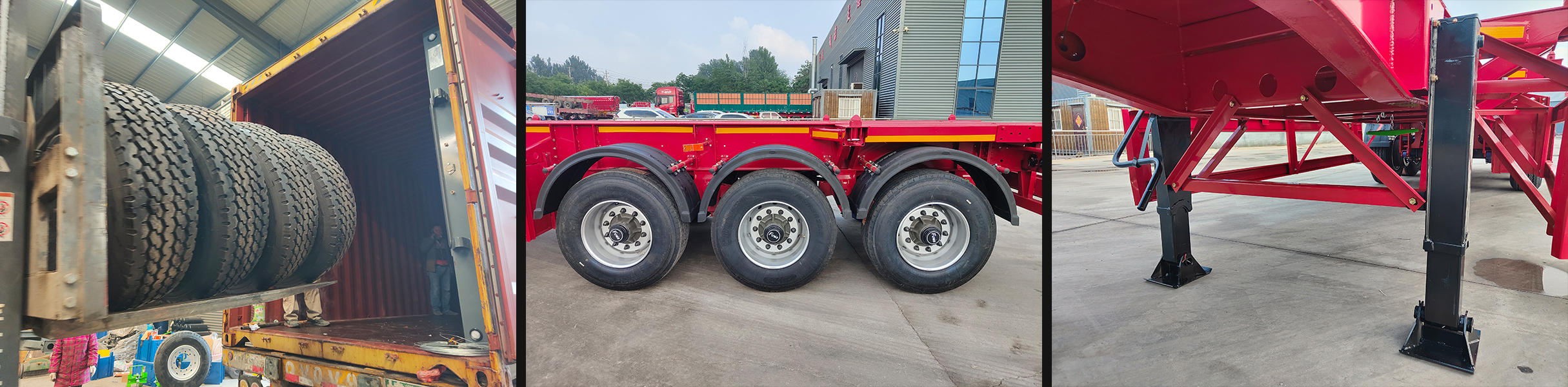
The completed trailer features three rear axles with a mechanical suspension arrangement.
The tri-axle design distributes the supported load across the axle group when the trailer is correctly configured and loaded.
Mechanical suspension is widely used in commercial freight transportation because of its straightforward structure and practical maintenance requirements.
Together, these components provide a conventional and serviceable arrangement for port container logistics.
Port Container Transportation Applications
The primary application of this 40FT skeletal semi trailer is container movement between port facilities and inland logistics locations.
From Container Terminal to Logistics Depot
A typical transportation operation begins when a loaded 40FT container is released from a port terminal.
The container is lifted onto the skeletal trailer using suitable terminal handling equipment.
After the container is correctly positioned and secured with twist locks, the tractor-trailer combination transports it to a designated warehouse, container depot, or distribution center.
The open skeletal chassis is specifically designed for this type of standardized container handling.
Repeated Port Drayage Operations
Port drayage refers to the relatively short-distance transportation of containers between ports and nearby logistics facilities.
These operations may involve multiple container pickups and deliveries throughout the working day.
For this type of business, a dedicated container chassis provides several practical advantages:
Compatibility with standardized container handling operations
A purpose-built structure for container transportation
Accessible chassis components for routine maintenance
Configurable axle, suspension, and tire specifications
Convenient integration into container logistics fleets
By selecting a trailer designed for container transport, logistics companies can match their equipment more closely to daily operating requirements.
Manufacturing and Quality Control
Steel Chassis Fabrication
The manufacturing process begins with steel preparation, frame positioning, and welding.
Longitudinal beams and crossmembers are assembled to form the skeletal chassis.
Maintaining proper frame alignment is particularly important because the container support and locking positions must correspond to the intended container dimensions.
Assembly and Surface Finishing
After chassis fabrication, the trailer proceeds through component assembly, including the installation of axles, suspension, landing gear, and other operating equipment.
The completed ROADKING trailer features a red exterior finish, reflective markings, and a clearly visible three-axle arrangement.
The factory photographs show the finished chassis structure and major components before export preparation.
Quality Inspection Before Shipment
Before delivery, important structural and functional components should be checked to confirm that the trailer meets the agreed specifications.
Key inspection items include:
Chassis dimensions and structural alignment
Welding workmanship and frame condition
Container twist lock positioning and operation
Axle and suspension installation
Brake and electrical connections
Landing gear operation
Tires, wheels, and exterior finishing
Particular attention should be paid to container locking components, as correct container securing is essential for safe transportation.
Export Preparation and Shipment
After manufacturing and inspection, the trailer components are prepared according to the selected overseas shipping arrangement.
The export photograph shows tires and related equipment being handled during container loading.
Depending on the trailer dimensions and packing plan, certain components may be separated from the chassis for transportation.
Suitable packing and securing arrangements help protect components from movement and handling damage during shipment.
ROADKING coordinates export preparation according to the vehicle configuration and the transportation method selected for the order.
Benefits for the Philippine Logistics Operator
Dedicated Equipment for 40FT Containers
The skeletal trailer is specifically configured for 40FT container hauling, allowing the operator to use a vehicle suited to its main transportation activities.
Suitable for Frequent Port Operations
The reinforced chassis, container locking system, and tri-axle arrangement provide a practical foundation for regular container pickup and delivery operations.
Convenient Inspection and Maintenance
The open-frame design provides access to many chassis and mechanical components, helping maintenance personnel carry out routine checks.
Flexible Configuration for Fleet Requirements
ROADKING can customize chassis dimensions, axle quantity, suspension type, tires, and locking arrangements according to the customer's intended operating conditions.
This allows logistics operators to select equipment suited to their container types, routes, and local transport requirements.
ROADKING Container Chassis Manufacturer in China
SHANDONG ROADKING VEHICLE CO., LTD. manufactures skeletal semi trailers and other specialized transportation equipment for international markets.
Our container chassis range includes 20FT, 40FT, and 45FT configurations, with customizable axle arrangements, suspension systems, tire specifications, and container locking positions.
Whether your business involves port drayage, container yard operations, or inland container distribution, ROADKING can provide trailer configurations based on your transportation requirements.
Looking for a reliable 40FT 3 axle skeletal semi trailer for port container logistics? Contact ROADKING Vehicle for detailed specifications, customization options, and a factory quotation.