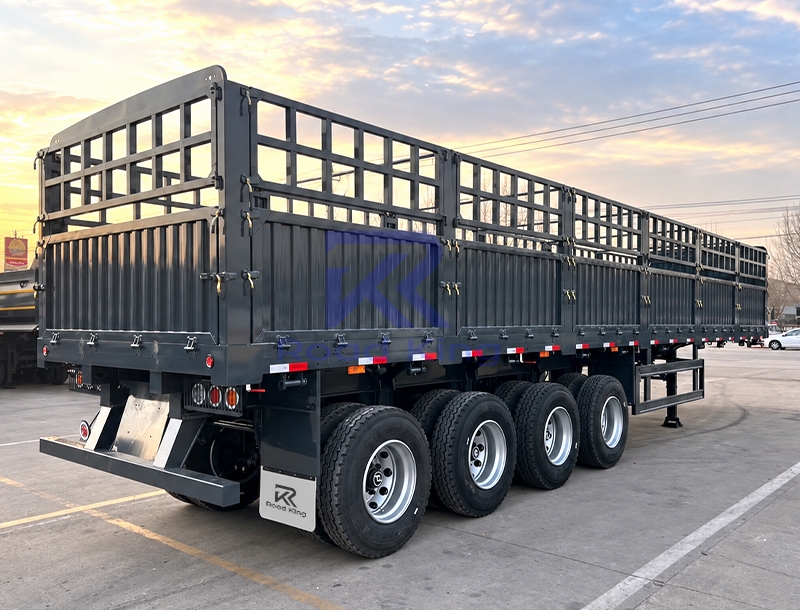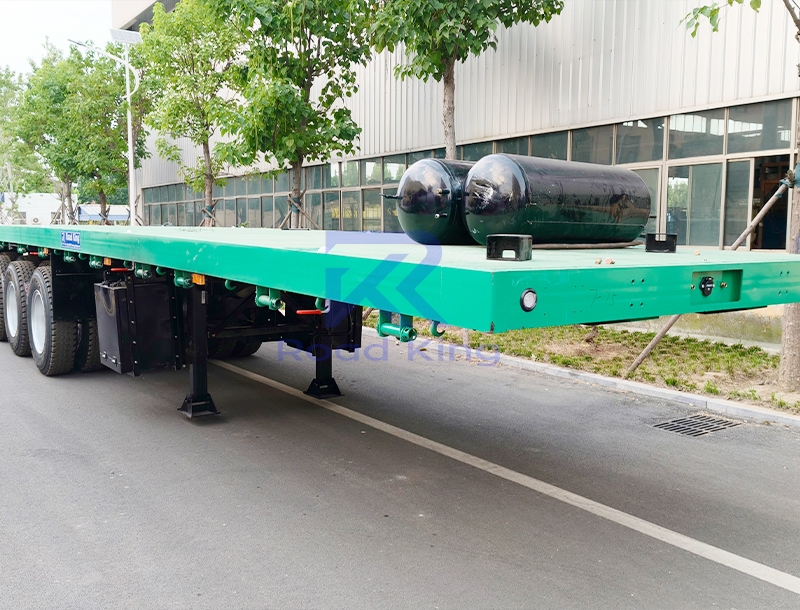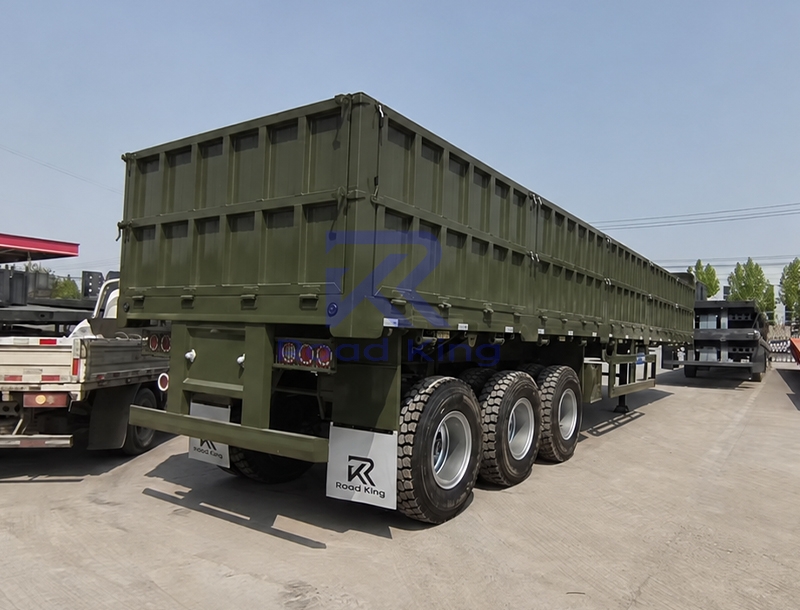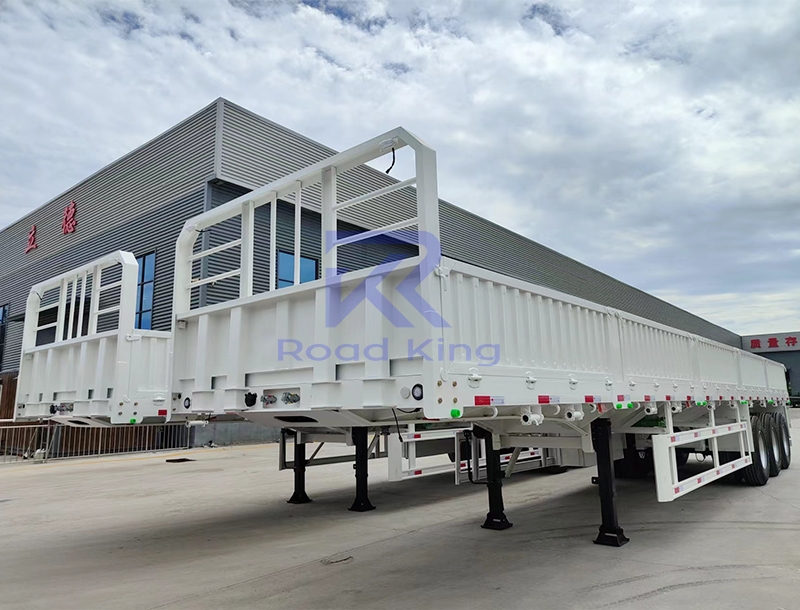
2 Units of 3 Axle Flatbed Semi Trailers for Cargo Transportation in Kenya
Sep. 25, 2026
Project Background
Kenya is one of East Africa's important transportation and logistics markets, with road freight connecting the Port of Mombasa, Nairobi, industrial centers, and inland commercial regions. The continued development of construction, manufacturing, agriculture, and regional trade creates demand for reliable and versatile cargo transportation equipment.
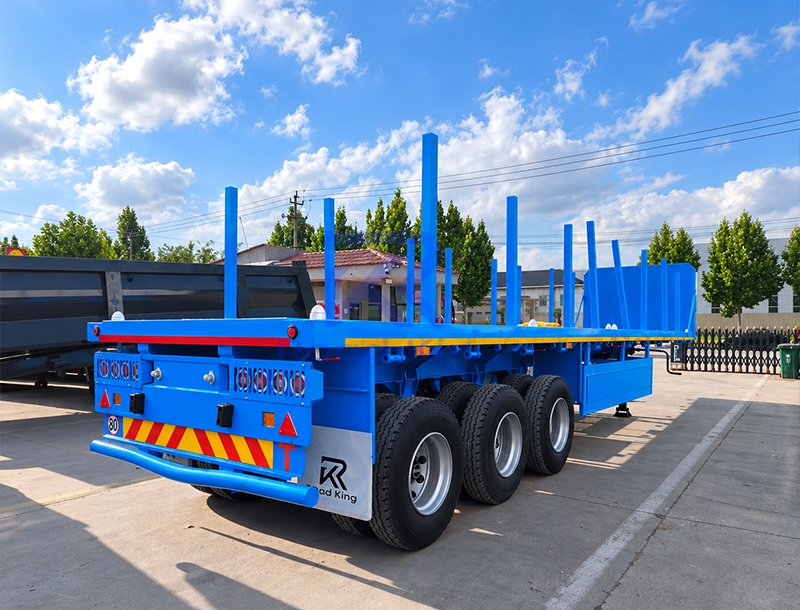
This project case features two ROADKING 3 axle flatbed semi trailers configured for general cargo transportation in Kenya. The trailers combine reinforced steel frames, open loading platforms, and practical tri-axle arrangements to accommodate different freight transportation requirements.
In addition to vehicle manufacturing, the project highlights an important consideration for overseas buyers: reducing international shipping expenses through an efficient stacked loading arrangement.
Customer Transportation Requirements
Flexible Cargo Transportation
For logistics companies handling different freight assignments, transportation flexibility is an important factor when selecting semi trailers.
A flatbed semi trailer provides an open cargo platform suitable for transporting various types of goods, including:
Steel pipes and structural steel products
Construction materials and building supplies
Machinery components and industrial equipment
Palletized goods and packaged freight
Shipping containers when suitable twist locks are installed
The open platform allows forklifts, cranes, and other handling equipment to access cargo from multiple directions, making loading and unloading more convenient.
Reliable Performance for Long-Distance Operations
Freight transportation in Kenya involves highways, regional roads, and industrial access routes with varying surface conditions.
For these applications, trailers need durable chassis structures, suitable axle arrangements, and dependable suspension systems to support regular cargo operations.
The tri-axle flatbed design provides a practical solution for distributing cargo loads, while the reinforced steel structure supports transportation under demanding operating conditions.
Lower International Shipping Costs
In addition to trailer performance, overseas transportation costs can significantly affect the total purchasing expense.
Shipping two semi trailers separately may require more cargo space and higher transportation charges.
For this project concept, ROADKING selected a stacked packing arrangement, allowing the two flatbed trailers to be transported together while making more efficient use of available shipping space.
Depending on the shipping method, freight rates, and loading conditions, this approach may reduce ocean freight costs by more than 50% compared with separate shipment.
ROADKING Solution: Two 3 Axle Flatbed Semi Trailers
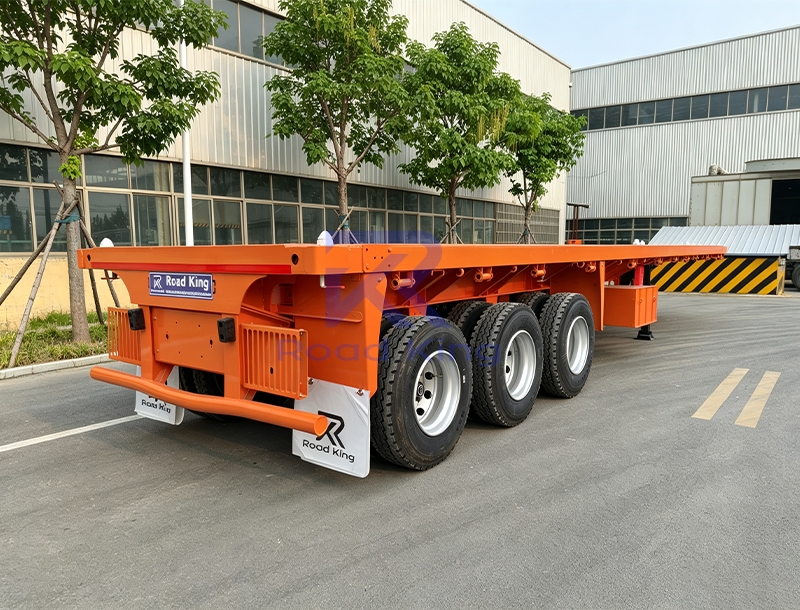
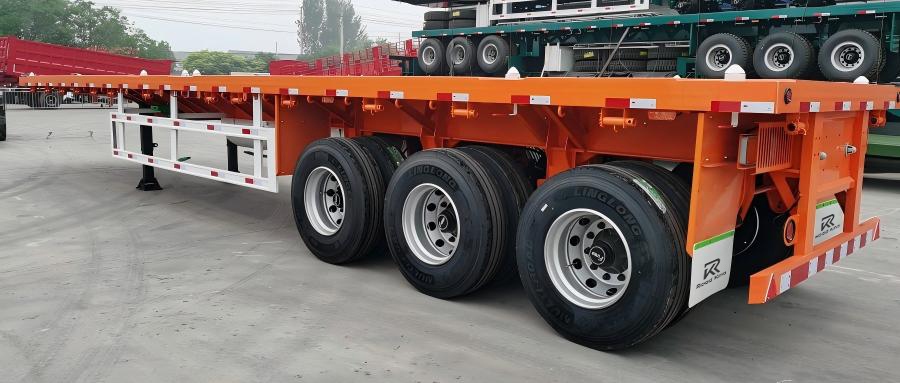
ROADKING prepared two orange 3 Axle Flatbed Semi Trailers featuring reinforced chassis structures and open cargo platforms.
The vehicles are designed for general freight transportation, with a practical layout that supports flexible loading and daily commercial operation.
The finished trailers feature:
Reinforced steel chassis construction
Three rear axles for load distribution
Open flatbed loading platforms
Side stake pockets for optional cargo supports
Rear protective structures and reflective markings
Customizable components for different transportation needs
The completed vehicles were photographed at the factory before export packing preparation.
Key Project Specifications
| Specification | Details |
|---|---|
| Product | Flatbed Semi Trailer |
| Quantity | 2 Units |
| Axle Configuration | 3 Axles |
| Main Structure | Reinforced Steel Chassis |
| Loading Platform | Open Flatbed |
| Stake Pockets | Included |
| Exterior Color | Orange |
| Applications | General Cargo, Steel, Building Materials |
| Intended Destination | Kenya |
| Packing Method | Stacked Loading |
Key Features of the Flatbed Semi Trailers
Reinforced Chassis for Heavy Cargo Transportation
The main frame is one of the most important structural components of a flatbed semi trailer.
ROADKING manufactures trailer chassis using steel longitudinal beams, crossmembers, and reinforced supporting structures.
The frame is designed to support cargo weight while resisting bending and twisting forces during loading and road transportation.
This construction makes the flatbed suitable for carrying steel products, building materials, machinery components, and other industrial freight within its rated capacity.
Tri-Axle Configuration for Stable Load Distribution
Each trailer is equipped with three rear axles.
When properly designed and loaded, the tri-axle arrangement helps distribute cargo weight across the axle and suspension system.
This configuration is commonly used for general freight transportation where operators require a balance of cargo capacity, road stability, and practical maintenance.
Actual payload capacity depends on the complete vehicle configuration and applicable transport regulations.
Open Flatbed Platform for Multiple Cargo Types
The open loading platform provides flexibility for different transportation assignments.
Cargo can be loaded from the sides, rear, or above using appropriate equipment, making the trailer suitable for industrial warehouses, construction sites, and logistics facilities.
Stake pockets along the trailer sides allow removable stakes to be installed when required.
For cargo requiring additional restraint, suitable lashing points, straps, chains, and other securing equipment should be used.
Practical Structure and Customizable Components
The flatbed semi trailer features a straightforward chassis layout that provides access to major components for inspection and maintenance.
ROADKING can customize trailer dimensions, axle quantity, suspension systems, tire specifications, landing gear, twist locks, front walls, and other accessories according to customer requirements.
Manufacturing and Quality Control
Frame Fabrication and Welding
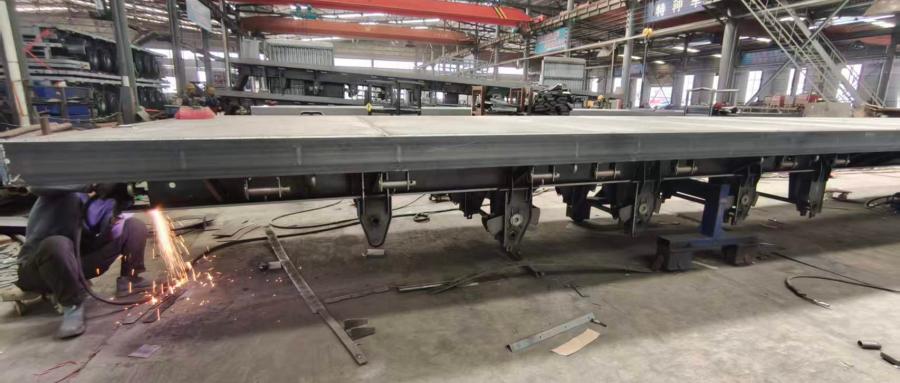
The production process begins with steel component preparation, frame positioning, and welding.
As shown in the factory production photograph, workers carry out welding operations on the flatbed chassis structure.
Proper frame alignment and welding workmanship are essential for maintaining dimensional consistency and structural strength.
Vehicle Assembly and Finishing
After frame fabrication, the trailer proceeds through component installation and finishing.
The completed vehicle photographs show the orange chassis, loading platform, tri-axle arrangement, rear protection structure, and exterior details.
The finished trailers are then prepared for quality inspection and export packing.
Pre-Shipment Quality Inspection
Before overseas shipment, flatbed semi trailers should undergo appropriate checks covering structural and functional components.
Typical inspection items include:
Frame dimensions and structural alignment
Welding appearance and workmanship
Axle and suspension installation
Tire and wheel assembly
Lighting and electrical connections
Braking system and landing gear
Exterior finishing and overall appearance
The exact inspection scope and records depend on the agreed factory quality-control procedures.
Stacked Packing for Overseas Transportation
One of the key highlights of this project is the stacked packing arrangement used for the two flatbed semi trailers.
As shown in the packing photograph, the orange trailers were positioned together on a transport platform and secured using supporting structures and fastening equipment.
Instead of occupying separate transport spaces, the trailers can be arranged together to improve shipping space utilization.
Potential Ocean Freight Savings of More Than 50%
International shipping expenses are an important consideration for semi trailer buyers, particularly when purchasing multiple units.
By stacking two compatible flatbed semi trailers together, the required shipping space can be reduced compared with transporting each unit separately.
Under suitable freight rates and loading conditions, stacked transportation can potentially reduce ocean freight costs by more than 50%.
The actual savings depend on the shipping quotation, loading method, route, cargo dimensions, and handling requirements.
This packing method offers several advantages:
More efficient use of available shipping space
Potentially lower ocean freight expenses
Consolidated transportation of multiple trailers
Improved export logistics planning
Reduced overall transportation cost when the loading arrangement is suitable
Secure Loading and Transport Preparation
Stacked shipping requires careful planning to ensure the trailers remain stable during transportation.
Supporting points, lifting procedures, trailer weight, and cargo securing requirements must be evaluated before loading.
Appropriate restraints and supporting structures help prevent movement and protect the trailers during handling and overseas transportation.
For international customers, this type of packing arrangement can be an effective way to optimize shipping costs without compromising cargo securing requirements.
Benefits for Freight Transportation Operators in Kenya
Flexible Cargo Applications
The open flatbed platform accommodates different categories of freight, allowing operators to serve construction, industrial, and commercial logistics customers.
Convenient Loading and Unloading
Cargo can be handled from multiple directions using forklifts, cranes, and other suitable equipment.
This provides flexibility for warehouses, construction sites, and industrial facilities.
Practical Heavy-Duty Construction
The reinforced chassis and tri-axle arrangement provide a durable foundation for regular cargo transportation within the trailer's engineered capacity.
Potential Reduction in Purchasing Logistics Costs
Stacked packing can help reduce international shipping expenses when compared with separate transportation.
For customers purchasing multiple semi trailers, optimized packing can contribute to a more cost-effective overall procurement plan.
Supporting Road Freight Transportation in Kenya
Road freight plays an important role in connecting Kenya's ports, industrial centers, construction projects, and regional commercial markets.
Transportation companies need versatile equipment capable of carrying different types of cargo while maintaining practical operating and maintenance requirements.
ROADKING flatbed semi trailers are designed to support these applications through reinforced chassis structures, flexible loading platforms, and customizable component configurations.
In addition to manufacturing, ROADKING supports international buyers with product customization, production coordination, inspection arrangements, and export packing solutions.
Customized Flatbed Semi Trailer Manufacturer in China
SHANDONG ROADKING VEHICLE CO., LTD. specializes in manufacturing flatbed semi trailers, skeletal trailers, low bed trailers, side wall trailers, fence cargo trailers, tank trailers, and other transportation equipment.
Our flatbed semi trailers can be customized according to cargo weight, loading dimensions, axle configuration, suspension system, tire specifications, and destination-market requirements.
We also provide export packing solutions for suitable trailer models to help customers optimize international transportation costs.
Looking for a 3 axle flatbed semi trailer for Kenya or other African markets? Contact ROADKING Vehicle for customized specifications, factory information, and a competitive quotation.